What Do the Planets Mean in Astrology?
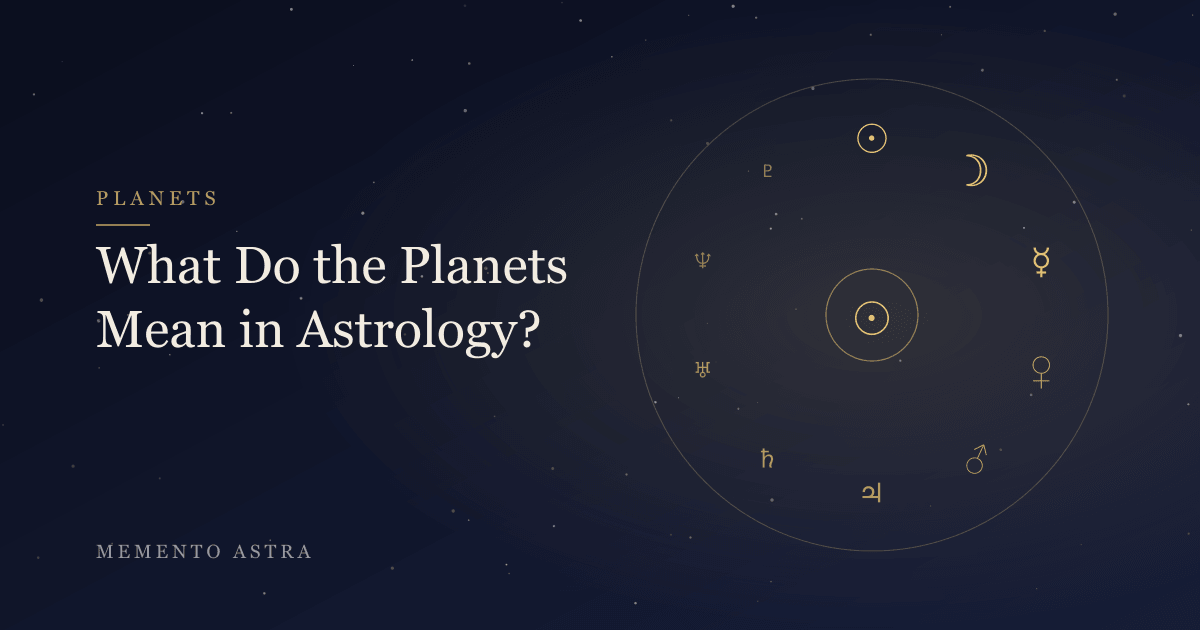
All ten planets in your birth chart explained: what each governs, how fast it moves, and why the outer three say almost nothing about you personally.
Reference
The ten planets are what a birth chart is made of. Each one describes a different function: what you need, how you think, what you want, where you meet resistance. Here is what each means, what it rules, and how personal the placement really is.
The Sun and Moon are not planets astronomically. In astrology they are the two lights, and they carry more weight than anything else in a chart.
Fast enough to be genuinely yours. Mercury, Venus and Mars change sign in weeks, so two people born a month apart can differ.
Jupiter and Saturn sit between the personal and the generational. A Jupiter sign is shared with everybody born within about a year of you, a Saturn sign with everybody born within two and a half.
Uranus, Neptune and Pluto spend seven to thirty years in a sign. The sign describes your generation. What is personal is the house it falls in and the aspects it makes, which need an accurate birth time.
Reading about a planet is a different thing from knowing which sign and house yours occupies. Both tools are free and both compute from real ephemeris data rather than a lookup table.
What each planet stands for in a chart, and how the personal ones combine into the big three.
All ten planets in your birth chart explained: what each governs, how fast it moves, and why the outer three say almost nothing about you personally.
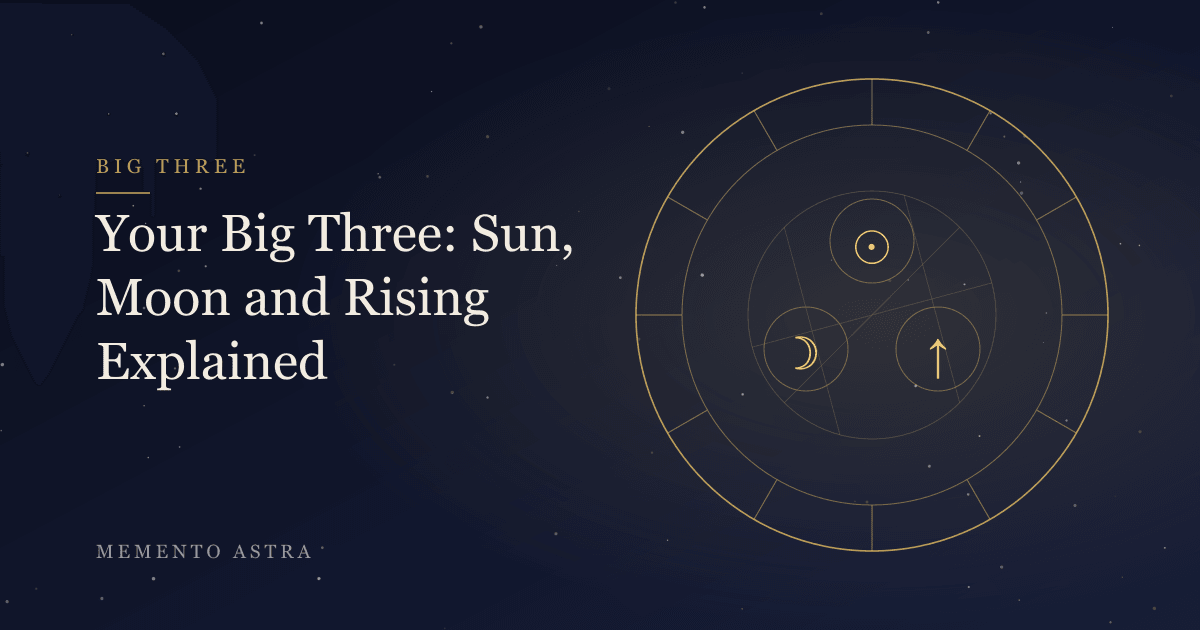
Your Sun, Moon and Rising signs do most of the work in a birth chart. What each one governs, why they contradict each other, and how to read all three.
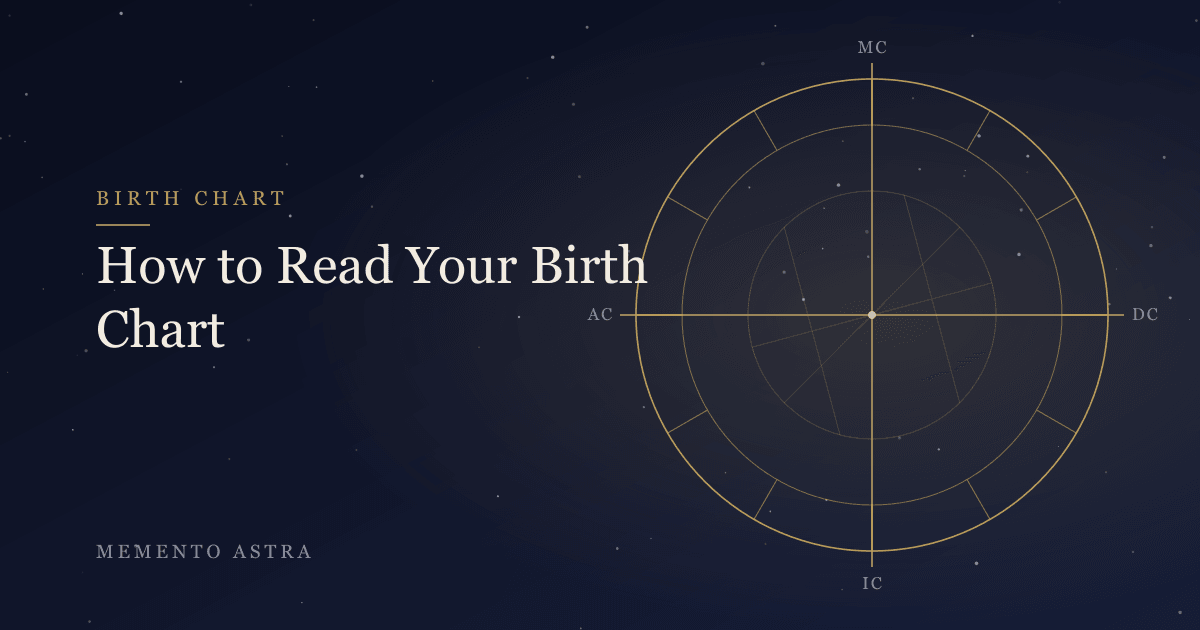
How to read a birth chart from scratch, in seven steps: what to look at first, what to ignore, and how to turn symbols into an actual person.